What we saw
Security begins with people.
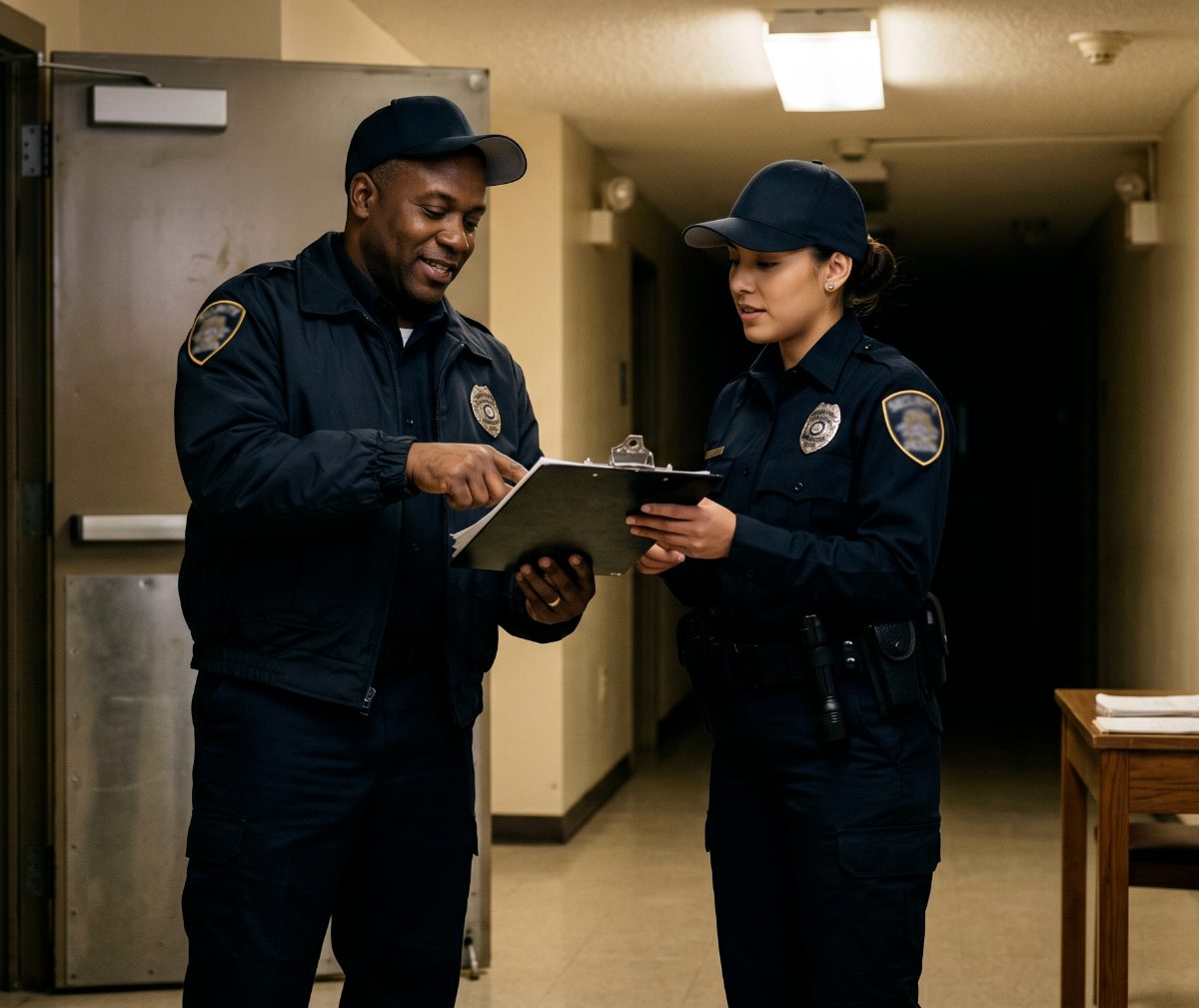
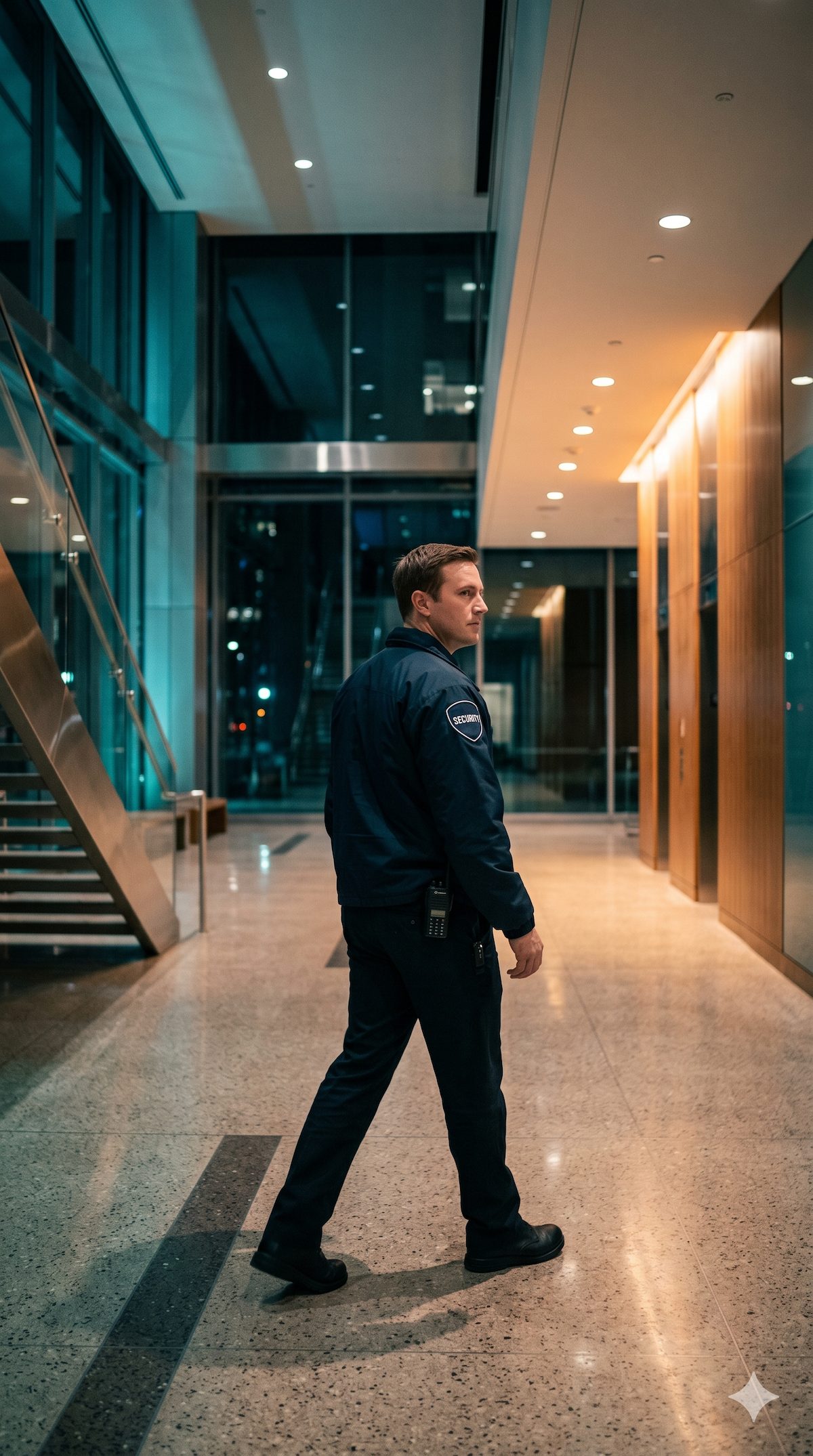
Every night, security officers step onto post carrying knowledge no camera, sensor, or system can fully capture. They notice what others miss. They recognize unusual behavior, changing conditions, and emerging risks before they appear in a report.
Yet the industry's most important sensor has historically been its most overlooked.
The problem was never the guard.
The problem was that the people closest to the risk had no simple way to share what they knew with the supervisors, security leaders, clients, and executives responsible for the outcome.
From the inside
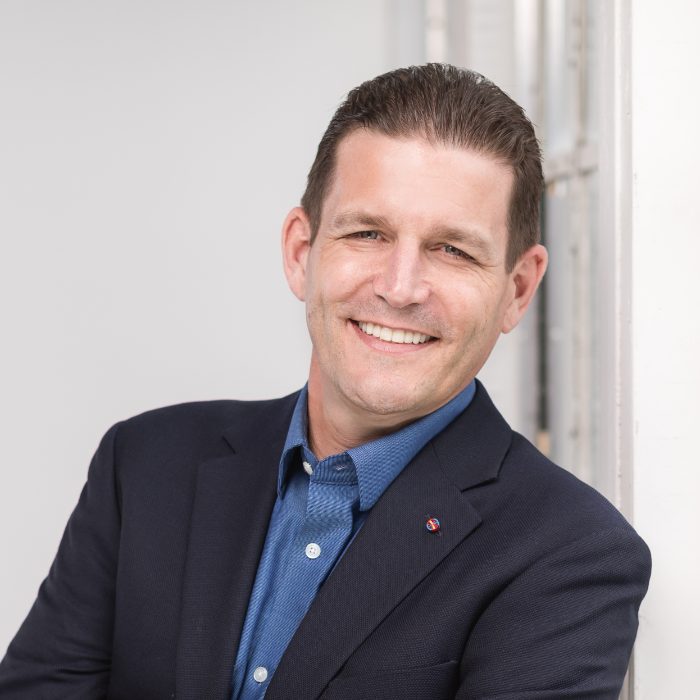
After more than three decades operating and owning security companies, Dan Wachtler saw the same challenge everywhere. Security providers were expected to deliver greater accountability and visibility while operating in a market built around efficiency and cost. Officers carried critical operational knowledge, but the systems around them were built for reporting after the fact — not understanding what was happening in real time.
What we built
So we built VAL.
It began as a voice-first AI companion designed to support officers in the field — answering questions, providing guidance, capturing observations, and reducing administrative burden without disrupting the shift.
But once frontline intelligence could flow naturally from the officer, a larger opportunity emerged.
Today, VAL is evolving into an AI-native operating system that connects officers, cameras, access control systems, intelligence feeds, enterprise data, and security workflows into a single operational picture. By unifying people, sensors, and intelligence, Vigilis AI helps organizations automate workflows, improve decision-making, and continuously understand security posture and risk.
Because better security doesn't start with more cameras. It starts with empowering the people closest to the risk.
The goal isn't to replace the guard. It's to multiply their impact.